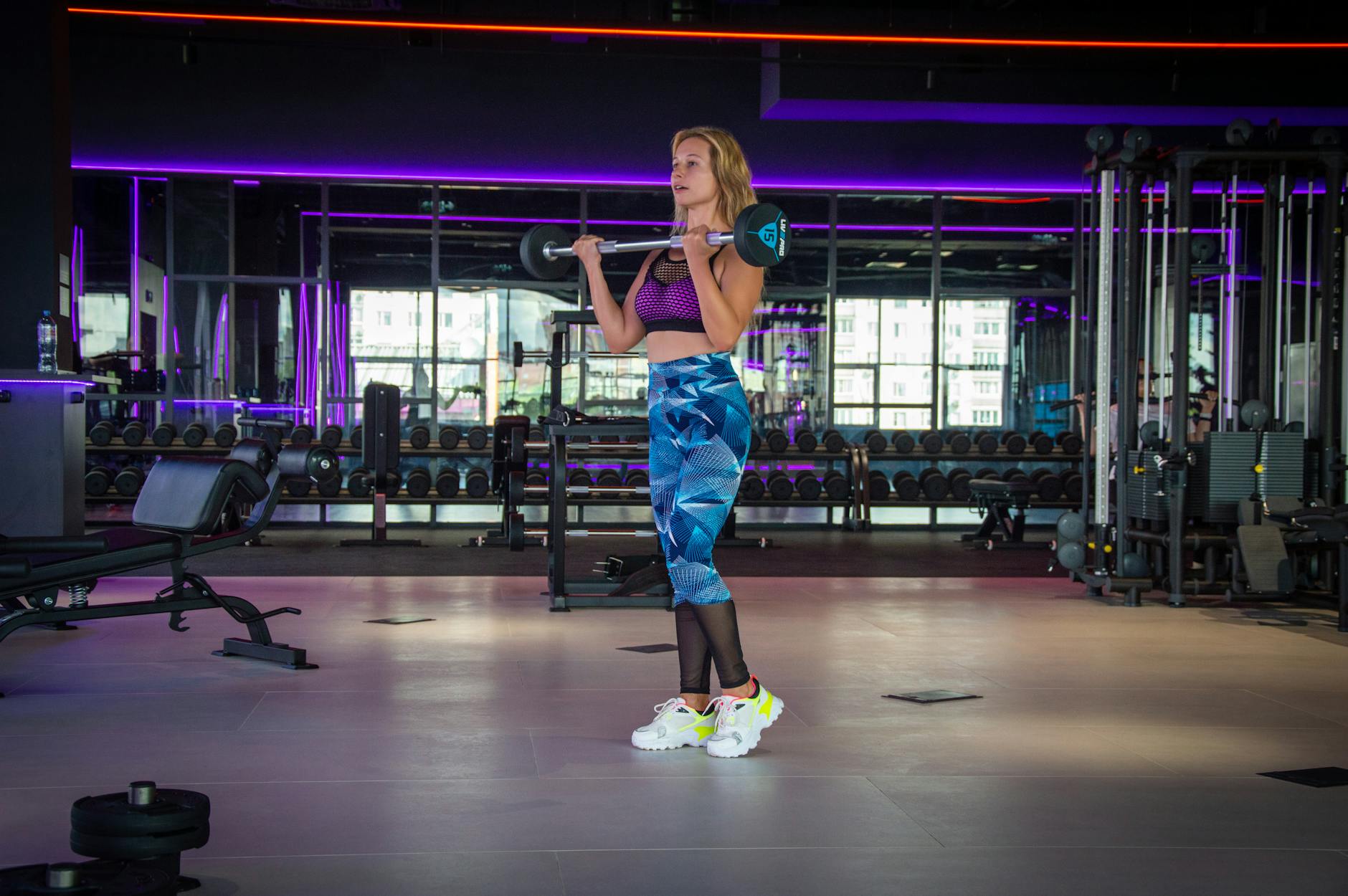
Most women who pick up a barbell in their thirties or forties have spent the previous decade being sold a softer version of fitness — Pilates reformers, hot yoga, the elliptical, the pink dumbbell aerobics class. None of those are bad. None of them, on their own, build the kind of strength that protects your hips at sixty and your back at seventy. Resistance training does, and the evidence base on this has been settled for at least fifteen years.
This is a primer for women who have never lifted before, or who have lifted casually and feel like nothing changed. We will name five compound lifts, give you the rep ranges that actually drive adaptation, and tell you what to expect through the first eight weeks. No supplements, no aesthetic promises, no body-recomposition photoshoots. Just the lifts and the curve.
Why compound lifts and not machines
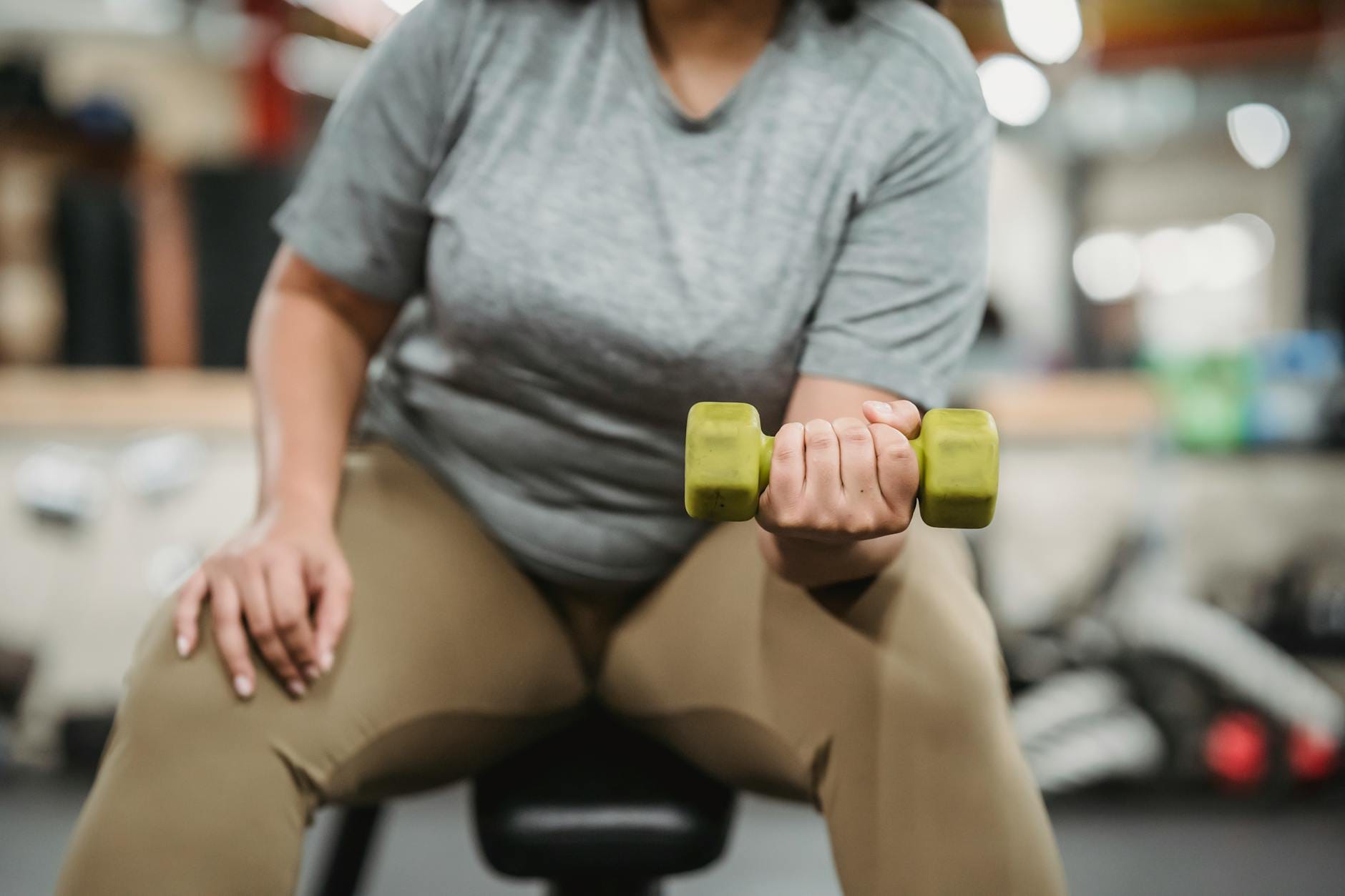
Machines isolate one muscle group at a time. They are easy to learn and they are useful — particularly for older lifters and for accessory work — but they do not teach your body to coordinate. Compound lifts move multiple joints under load. They train the stabilising muscles, the connective tissue, and the nervous system together, which is the configuration you actually use to carry a child, lift a suitcase, or get off the floor.
For a woman starting in her thirties, the bias should be roughly seventy per cent compound, thirty per cent isolation. As you get stronger and your goals narrow, you can shift the ratio. While you are building the foundation, the compound lifts do almost all the meaningful work.
The five lifts
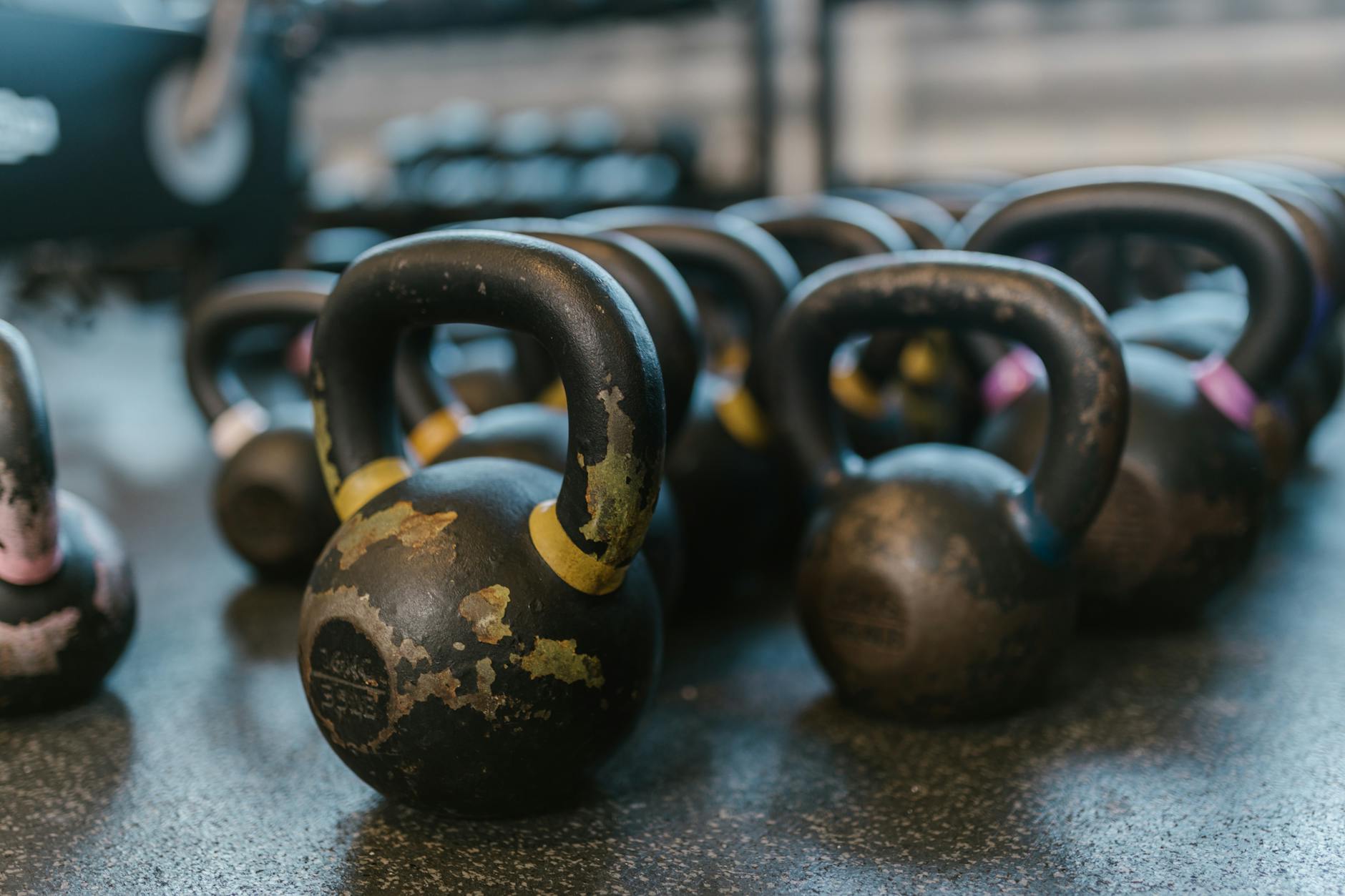
Goblet squat. A dumbbell or kettlebell held at the chest, feet roughly shoulder-width, sit down between your hips, drive up through your heels. It teaches the squat pattern without putting a bar on your back. Start with 8 kg if you are completely new. Most women can goblet squat their bodyweight within a year of consistent work.
Romanian deadlift. A barbell or two dumbbells held in front of the thighs, hinge at the hips with soft knees, send your weight back into your heels until your hamstrings tighten, then stand up. It builds the entire back of your body. It is also the lift that most directly protects your lower back from the everyday wear of lifting children and shopping.
Overhead press. Standing, a barbell or dumbbells at shoulder height, press them overhead. Most women find the overhead press the hardest of the five — relative strength in the shoulder girdle is lower in the female body, and it takes longer to build. It is also the lift with the most carry-over into ordinary life. You will notice it the first time you reach up to put a suitcase in an overhead locker.
Row. Either a dumbbell row braced on a bench or a cable row seated. Pull a load toward your lower ribs, squeeze the shoulder blades together at the top. The row balances the press; without it, the front of the chest tightens and the upper back rounds. Skip it and your posture gets worse, not better.
Hip thrust. Lying with shoulders on a bench, knees bent, a barbell across the hips, drive the hips up until the body is flat. It hits the glutes harder than any other movement in the gym. Strong glutes are what your lower back relies on when you bend down or carry a load. Weak glutes are why so many women have nagging back pain that no amount of yoga fixes.
The eight-week curve
Two sessions a week. Each session does all five lifts. Three sets of eight to ten repetitions, leaving roughly two repetitions in the tank on each set. That last bit — leaving reps in reserve — is the single biggest difference between a beginner who progresses and a beginner who plateaus. You do not need to grind every set to failure. You need to add weight or repetitions every week.
Weeks 1–2. Everything is light. The goal is movement quality, not stimulus. Your body is learning where to put your feet, where to hold your breath, how to brace your trunk. Expect to be sore the day after — sometimes badly. The soreness lessens dramatically by week three.
Weeks 3–4. Loads creep up. You start adding two and a half kilograms to the squat and deadlift each session, half that to the upper-body lifts. This is the period that feels best — you can see numbers moving every workout, the soreness has settled, and you start noticing strength in everyday situations.
Weeks 5–6. Progression slows. You start needing two or three sessions to add weight to the press; the squat and deadlift will still move weekly. This is where most beginners panic and either go too hard or quit. Neither helps. Trust the schedule.
Weeks 7–8. Re-evaluate. Most women in this window can squat 35–50 kg for sets of eight, deadlift 50–70 kg, hip thrust 60–80 kg, and press a 25 kg barbell. Numbers vary wildly with bodyweight and starting point, but if you are nowhere near those ranges, something in the programme needs fixing — usually load progression that was too cautious.
What it does to your body, honestly
Eight weeks of resistance training does not make you bulky. The female endocrine profile does not allow it, regardless of the protein shake industry trying to convince you otherwise. What it does, measurably, in published research:
Bone density improves at the hip and lumbar spine. This is the lift's single most important benefit and the reason every menopausal woman should be lifting whether she wants to or not. Resting metabolic rate increases by a small but real amount. Insulin sensitivity improves. Sleep quality, on average, improves. Posture changes within four to six weeks because the muscles holding you upright finally have something to hold against gravity.
Visually, the changes are slower than the strength changes. The mirror often lags eight to twelve weeks behind your performance in the gym. Women who quit at week six because they cannot see anything yet miss the window where the visible adaptation begins.
What to wear and what to pay for
You need a flat-soled shoe — not a running shoe. Converse, Vans, or a proper lifting shoe if you get hooked. Running shoes have cushioning that compresses unevenly under load and wrecks your balance. A pair of weightlifting shoes from Reebok or Nike costs roughly £100–£130 and lasts five years; worth it once you commit.
You do not need a gym membership for the first six months. A 20 kg adjustable dumbbell set, a kettlebell, and a sturdy bench cover ninety per cent of what we have described. The full set runs roughly £250–£350 second-hand on Facebook Marketplace. After six months, when you are pressing more than half your bodyweight, the gym becomes useful because the barbell ceiling at home gets reached.
What you do not need: protein bars, pre-workout, BCAAs, fancy lifting straps, a personal trainer for more than two or three sessions to check your form, or any of the supplements your gym sells at the front desk. Eat enough protein — roughly 1.6 grams per kilogram of bodyweight daily — sleep seven hours, and let the lifts do what they are designed to do.