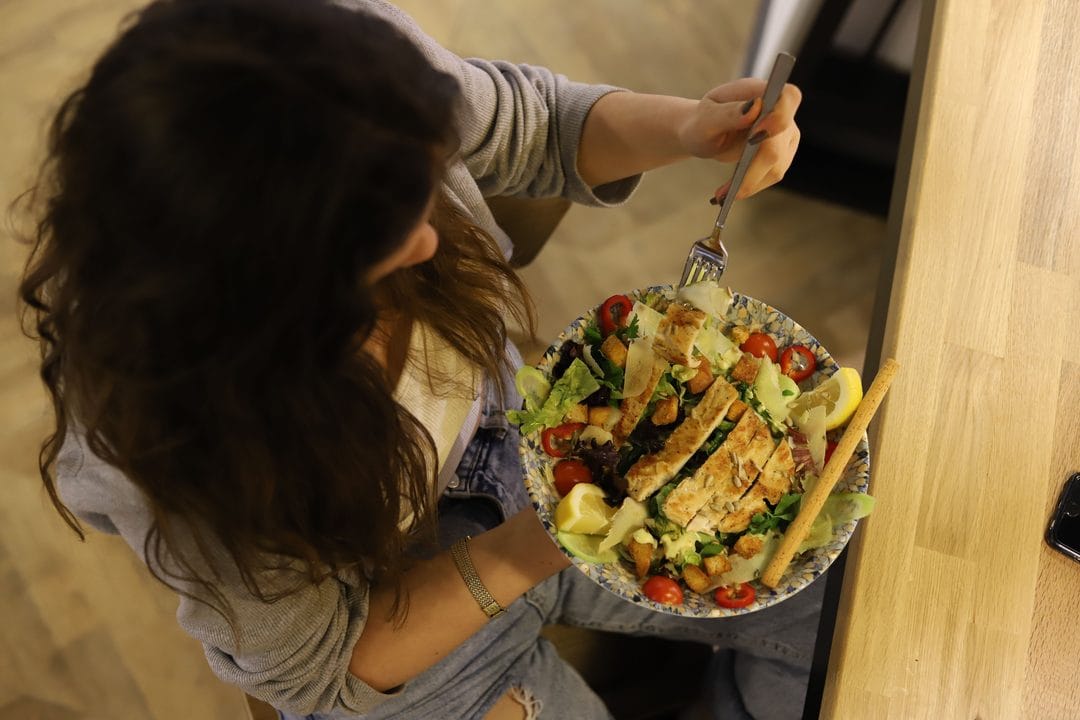
The Anabolic Window Myth Won't Die
Scroll through any fitness forum long enough and someone will tell you to chug a protein shake within 30 minutes of racking your last set, or the whole workout was wasted. It's a persistent claim, and it's also mostly wrong. A 2013 meta-analysis in the Journal of the International Society of Sports Nutrition found that the so-called anabolic window is closer to several hours wide than 30 minutes narrow, and later work has only widened that estimate further. Researchers have since walked the idea back even more, showing that total protein intake over a 24-hour period predicts strength and muscle gains far better than anything measured in minutes. If you train fasted at 6 a.m. and don't eat until 9, you haven't torched your gains — you've just eaten breakfast a little later than the influencers recommend. The supplement industry never quite let go of the window, though, because a "you must buy this shake right now" message sells better than "eat consistently across the week."
None of this means timing is irrelevant. It means the emphasis has been in the wrong place for over a decade. The question worth asking isn't "did I eat protein within the magic window," it's "did I actually hit my daily target, and did I spread it out reasonably." Those two things predict muscle growth and strength gains far better than anything measured in minutes after a workout.
What Actually Moves the Needle: Total Daily Protein
For women strength training two to four times a week, 1.6 to 2.2 grams of protein per kilogram of body weight per day is the range that shows up again and again in the research, including a widely cited 2018 systematic review in the British Journal of Sports Medicine. A 65-kilogram woman lifting seriously lands somewhere between 104 and 143 grams a day — more than most women eat without deliberately tracking it for a while. Hit that number consistently and the exact clock time of each meal matters far less than people assume.
Here's the part that trips people up: eating 140 grams of protein in one sitting doesn't work the same way as eating 140 grams across four meals. Muscle protein synthesis responds to protein in doses, not in one giant deposit, which is exactly why the spread-it-out advice survived even after the anabolic-window myth got debunked.
A quick gut check
Multiply your body weight in pounds by 0.8 and you'll get a rough daily gram target in the middle of that research range — a 150-pound woman lands around 120 grams. Track one normal day on an app like Cronometer or MyFitnessPal before changing anything. Most women who do this for the first time are surprised by how far short of the range they land, usually because breakfast is doing almost none of the work.
The Breakfast Gap Almost Every Woman Has
A bowl of oatmeal with a splash of milk delivers maybe 8 to 10 grams of protein. A slice of avocado toast delivers even less. Compare that to a dinner built around a chicken breast or salmon fillet, which can easily clear 35 to 40 grams on its own, and the imbalance becomes obvious: most women eat a light-protein breakfast, a moderate lunch, and a protein-heavy dinner, then wonder why muscle recovery feels slow.
Fix breakfast and the rest of the day gets easier. Two eggs plus a cup of Greek yogurt gets you to roughly 30 grams before 9 a.m., and a scoop of whey protein blended into oatmeal adds another 20 to 25 grams without changing the meal's character much. Fairlife's protein milk, at around 26 grams per bottle, has become a genuinely useful shortcut for exactly this problem — not because it's magic, but because it removes the "I don't have time to cook eggs" excuse. Cottage cheese deserves more credit here too: a single cup carries close to 25 grams and needs zero preparation beyond opening the container.
Spreading Protein Across the Day — the Leucine Threshold
The research behind "spread it out" comes down to leucine, one of the amino acids in protein that directly triggers muscle protein synthesis. Most studies put the threshold at roughly 2.5 to 3 grams of leucine per meal to get a meaningful response, which translates to about 25 to 35 grams of a complete protein source like chicken, eggs, fish, or whey. Eat less than that in a sitting and you still absorb the protein — your body just doesn't switch on the muscle-building signal as strongly. That's a real mechanism, not marketing copy, and it's the actual reason nutrition coaches keep repeating "spread your protein out" long after the 30-minute window got debunked. It also explains why a protein-heavy dinner alone, however large, can't compensate for two thin meals earlier in the day.
That threshold is why a single 140-gram dinner steak is less effective than the same 140 grams split across four meals of 30-35 grams each.
This is where plant-based eaters need to pay closer attention. Lentils, beans, and tofu are excellent protein sources, but they're lower in leucine gram-for-gram than animal protein, so vegetarian and vegan women often need 10 to 20 percent more total protein to hit the same muscle-building signal. Pairing rice and beans, or adding a scoop of pea-and-rice protein blend to a smoothie, closes most of that gap without much extra thought.
Perimenopause Changes the Math
Women over 40, and especially those in perimenopause, deal with something researchers call anabolic resistance — the same 25-gram protein dose that triggered a strong muscle-building response at 25 now produces a smaller one. A study published in Nutrients in 2020 found that older adults often need closer to 35-40 grams per meal, not 25-30, to get an equivalent signal. Declining estrogen appears to play a role here, which is one reason strength coaches who specialize in perimenopausal clients push protein targets higher than generic fitness advice suggests. Bone density adds another layer to this: adequate protein alongside resistance training helps preserve bone mineral density during a period when estrogen loss accelerates bone loss on its own.
Skip this adjustment and you can do everything else right — lift heavy, sleep well, manage stress — and still plateau on strength gains that used to come easily. Bump each meal toward that 35-gram mark instead of assuming your twenties-era protein habits still apply.
Building a Day That Actually Hits the Target
A realistic day for a 150-pound, moderately active woman aiming for 120-130 grams might look like this: Greek yogurt with berries and a scoop of protein powder at breakfast for about 35 grams, grilled chicken over greens with chickpeas at lunch for 35-40 grams, a protein shake or cottage cheese with fruit as a post-workout snack for roughly 20-25 grams, and a modest portion of salmon or lean beef at dinner to round things out — dinner doesn't need to carry the whole day anymore once the earlier meals are doing their share.
- Breakfast: Greek yogurt with berries and a scoop of protein powder — about 35 grams
- Lunch: grilled chicken over greens with chickpeas — around 35-40 grams
- Post-workout snack: a protein shake or cottage cheese with fruit, roughly 20-25 grams
- Dinner rounds things out with a modest portion of salmon, lean beef, or tofu, and doesn't need to be the biggest meal of the day anymore once breakfast and lunch are pulling their weight.
A tub of whey protein isolate from a brand like Optimum Nutrition runs $50-$65 for 30 servings, which works out to under $2 per 24-gram dose — cheaper, per gram, than most restaurant chicken. That's the better option for closing a daily gap, not a $6 "protein water" from the gas station that delivers 15 grams and a lot of marketing.
Two Habits Worth Dropping
Stop treating the post-workout shake as sacred and the rest of the day as flexible. And stop assuming a big dinner can make up for a protein-light breakfast and lunch — it can't, because of that leucine threshold covered above. Those two habits, more than anything about workout timing, are what keep strength-training women short of their protein targets month after month.
The bigger shift is mental: protein timing isn't about a 30-minute window anymore. It's about building four or five meals a day that each clear roughly 25-35 grams, adjusting upward if you're over 40, and treating your first meal of the day as seriously as your last one.