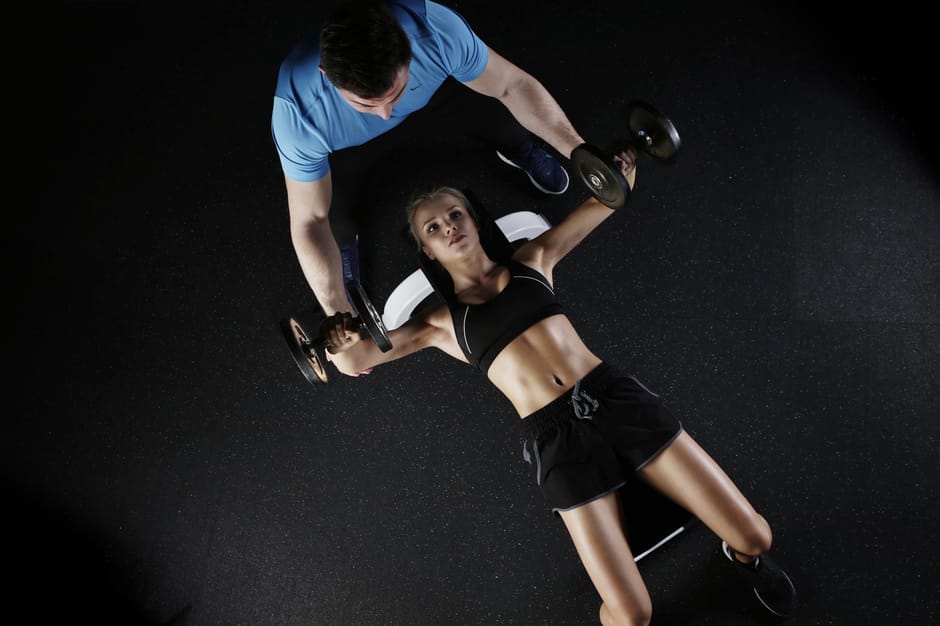
Most women adopt strength training in their 30s or 40s after years of cardio-focused exercise. The shift isn't aesthetic — it's physiological. After 30 we lose roughly 3-5% of muscle mass per decade without resistance training, regardless of cardio volume.
What strength training does that cardio doesn't
Preserves and builds muscle mass (sarcopenia is real after 30). Maintains bone density (critical from 35 onwards, especially perimenopause). Improves insulin sensitivity. Increases resting metabolic rate (more muscle = more calories burned at rest). None of these are accessible through cardio alone.
A 2019 meta-analysis showed women over 30 doing twice-weekly resistance training maintained roughly the same lean body mass over 5 years as 25-year-olds. Cardio-only matched controls lost on average 4.8 kg lean mass over the same period.
The minimum effective dose
Two 30-45 minute sessions per week. Compound lifts (squat, deadlift, push, pull, hinge variations). 3-4 sets per exercise. Progressive overload (slightly more weight or reps each week). This minimum produces 70-80% of the benefit of more advanced programming.
At-home starter: pair of adjustable dumbbells (£100-150), 15-30 min Caroline Girvan YouTube workouts. Gym starter: StrongLifts 5x5 app, or any of the standard barbell programs.
Common misconceptions that hold women back
'I'll get bulky.' Building visible muscle takes years of high-volume specific training plus a calorie surplus. Twice-weekly strength training builds tone, not bulk. 'I should do cardio first to lose fat.' Strength training preserves muscle during fat loss; cardio alone often loses both. 'I'm too old to start.' Strength gains happen at any age — studies on 70-year-olds show meaningful gains in 12 weeks.
Two strength sessions a week is the highest-leverage intervention for body composition and long-term health in your 30s and beyond. Start with bodyweight if needed — just start.