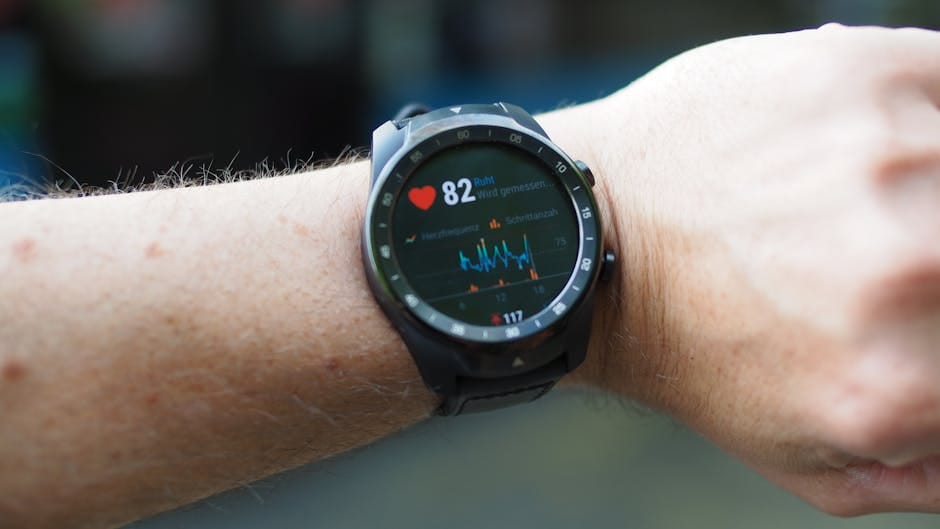
Resting heart rate (RHR) is one of the easiest fitness metrics to track and one of the most useful. Trends matter more than absolute numbers — a sudden 5-10 bpm increase often signals overtraining, illness onset, sleep deficit, or stress before you consciously notice.
What 'normal' looks like
Adult women: 60-100 bpm. Athletes: 40-60 bpm. Lower is generally better for cardiovascular health, but extremely low values can indicate other issues. More important than the number is the trend over weeks and months.
How to use it
Track each morning (Apple Watch, Garmin, Fitbit, or 60-second pulse check). Note your baseline (average of last 14 days). If you wake up 7+ bpm above baseline, consider lighter training that day. If trend rises over weeks, look at sleep, stress, nutrition.
RHR is among the cheapest, easiest signals you can use to guide training and recovery. Five seconds daily; useful pattern within 2-3 weeks.