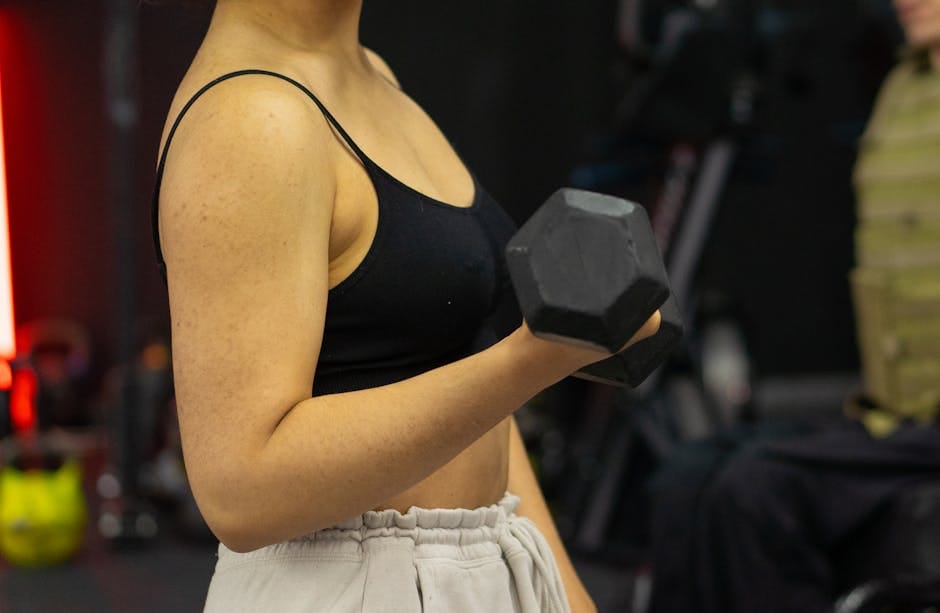
The standard women's-gym advice — light weights, high reps, 'feel the burn' — produces fitness magazine aesthetics but underdelivers on the actual benefits of resistance training. For muscle building, bone density, and metabolic health, the weight needs to be heavy enough that the last rep is genuinely difficult.
What 'heavy' actually means
Heavy is relative to you, not absolute. The right weight lets you complete 6-12 reps with proper form, where the last rep or two is genuinely effortful. If you could do 25 reps, the weight is too light to build strength.
For beginners: 6-week ramp-up. Start with weights you could do 15 reps but stop at 10. Add a small amount of weight each week. By week 6-8, you're at appropriate 'heavy' for your body.
Why high-rep, low-weight workouts underdeliver
They build muscular endurance (useful for marathons), not strength or muscle size. They burn fewer calories than people assume. They don't significantly improve bone density (the load isn't high enough to stimulate bone remodelling). They reinforce the 'women should be small' framing — physically and culturally.
Common form issues to fix first
Squat: knees should track over toes, weight in heels, full depth (thighs parallel to floor minimum). Deadlift: bar close to body, hinge from hips not back, neutral spine. Push-up: hands shoulder-width, body in straight line from heels to head. A trainer for 2-3 sessions to nail form is worth the £150 investment — saves years of bad habits.
Heavy lifting is the right kind of stress for women's bodies — for metabolism, longevity, and bone health, the load matters. Most women undertrain by a wide margin.